Fostering the development of Ipswich’s next generation of athlete through evidenced based and athlete specific programming

What is the Program?

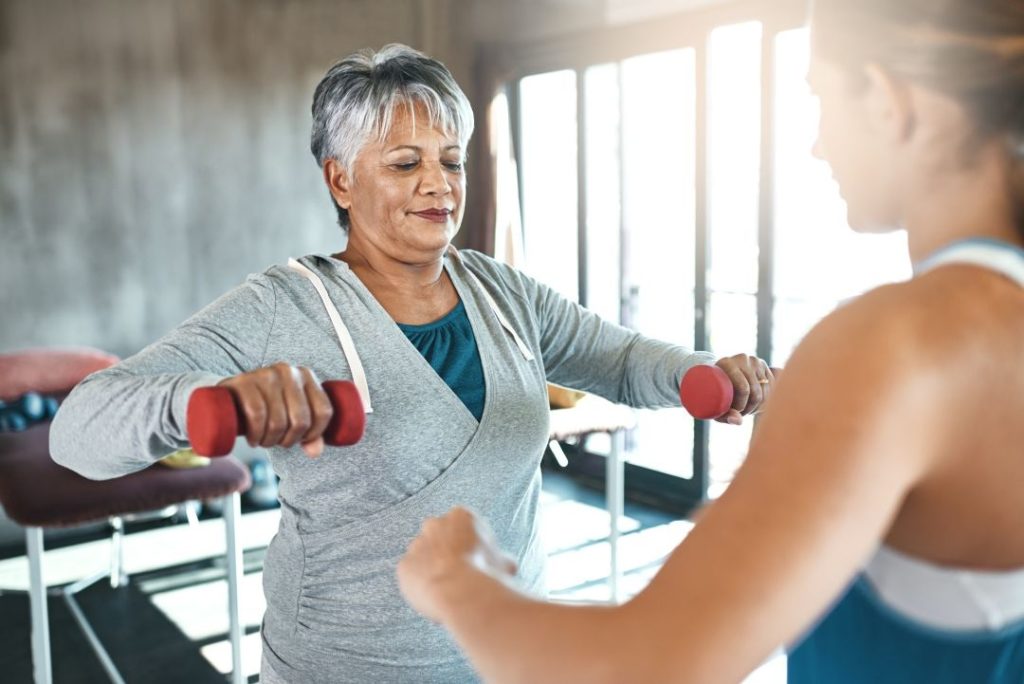
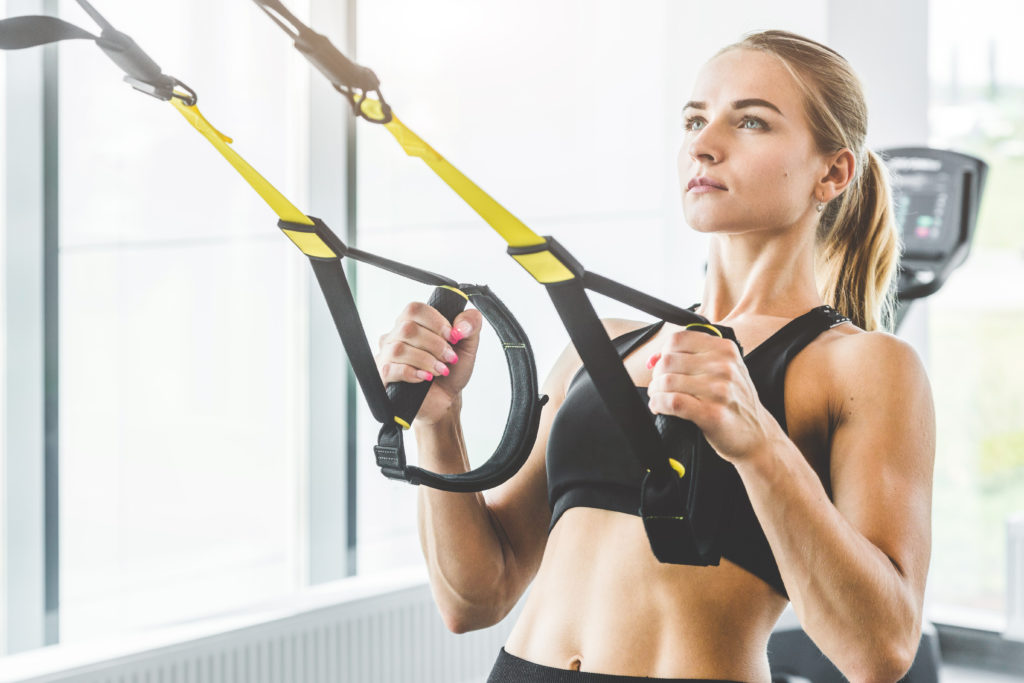
A 12‑week strength and conditioning program designed for youth athletes (ages 12–17) to improve overall strength, speed, agility, and injury prevention. The program will be structured utilising a long-term athletic development protocol, incorporating athletic qualities needed for the demands of their sport including; balance/proprioception, multiplanar stability, force absorption and production, and strength at specific joint angles/movement patterns. Utilising state of the art VALD Performance objective assessment technology, this program will be targeted, progressive and both athlete and sport specific.

Read more

Written by Aidan Lunney – APA Sports & Exercise Physiotherapist

Over the last 10 years, the spotlight has certainly shone bright on acute head injuries, or as we know it – Concussion. Prior to this, it was often brushed to the side, seen as a badge of toughness and an injury that wasn’t taken seriously because the damage wasn’t visible. Having previously worked in schoolboy level, and now semi-professional state level Rugby League, the scary reality that is a concussion, or to be specific, a Traumatic Brain Injury and it’s frequency has never been more pertinent to me. This year has seen the Australian Institute of Sport, in conjunction with the Australasian College of Sports & Exercise Physicians, Australian Physiotherapy Association and Sports Medicine Australia release the “2024 Concussion and Brain Health Position Statement”. The importance of recognition, assessment and the role of appropriate rehabilitation was highlighted, particularly with a spotlight on the effectiveness of Physiotherapy intervention in managing and assisting in the return to play and performance process. This topic is what we will look to unpack and highlight in this blog piece, a topic that is a keen interest area of mine.

Read more

As the Christmas holidays approach, formal training, and conditioning start to wind down. As we should, we shift our focus to enjoying our time off after busy years, sporting seasons and training regimes. However, we often find the reload process post-Christmas, particularly for those with an injury history can be a common cause for physical break down, re-aggravation and the development of load related conditions.  

Whilst Physiotherapist’s and Exercise Physiologist’s here at Physioactive provide rehabilitation for sporting and musculoskeletal conditions, we work hard to emphasise the importance of injury prevention and forward planning. That doesn’t sound that exciting, does it? Think of it as “Body Insurance”, a free policy and plan you can undertake that research tells us is effective in maintaining and developing capacity, lowering the risk of injury, and keeping you primed for the season to come. Remove the need for formalities and the structured approach to exercise, these “prehab” programs are a small battery of targeted strengthening, stability or mobility-based exercises individually tailored to meet the needs of your injury history, current injury and return to activity goals.  

Read more
When we think of Australia’s exercise recommendations of at least 2.5 hours of moderate exercise per week alongside two strength training sessions, many of us will immediately link this to helping maintain our physical and cardiovascular health, managing our weight, and preventing disease or conditions like diabetes. 

Thanks to social media and the marketing tactics of the fitness and beauty industry, the view on exercise has been skewed to be a ‘must do’ chore or a punishment for eating tasty foods – a tick-list item that is necessary to achieve an “ideal” body. But there is so much more to exercise than what we see in advertisements and viral videos – and don’t just take our word for it – this is the exact theme of this year’s national Exercise Right Week campaign, which is aiming to change the unhealthy relationship with exercise that this dialogue in the media is creating, showing you that the real additional benefits of exercise have nothing to do with the number on a scale or the amount of kilometres on a tracking app.  Read more

After sustaining an injury during sports, the first thing on many players’ agenda isn’t just recovering from that injury, but how to do so as fast as possible. While injuries sustained during sports can vary greatly in their location, severity, and how they occurred, there are five things that anyone can do to help optimise their recovery so they can get back on the sports field as fast as possible regardless of their circumstances. Read more

Menstrual related pain can quite often make it harder to engage in exercise or skip planned sessions. Menstrual associated symptoms such as abdominal cramps, increase in fatigue, bloating and reduced quality of sleep often causes a decrease in exercise or general movement during the time of menstruation. However recent research shows that engaging in appropriate exercise  can help manage common period discomforts (Demiralp and Kirmizal 2020).

Read more